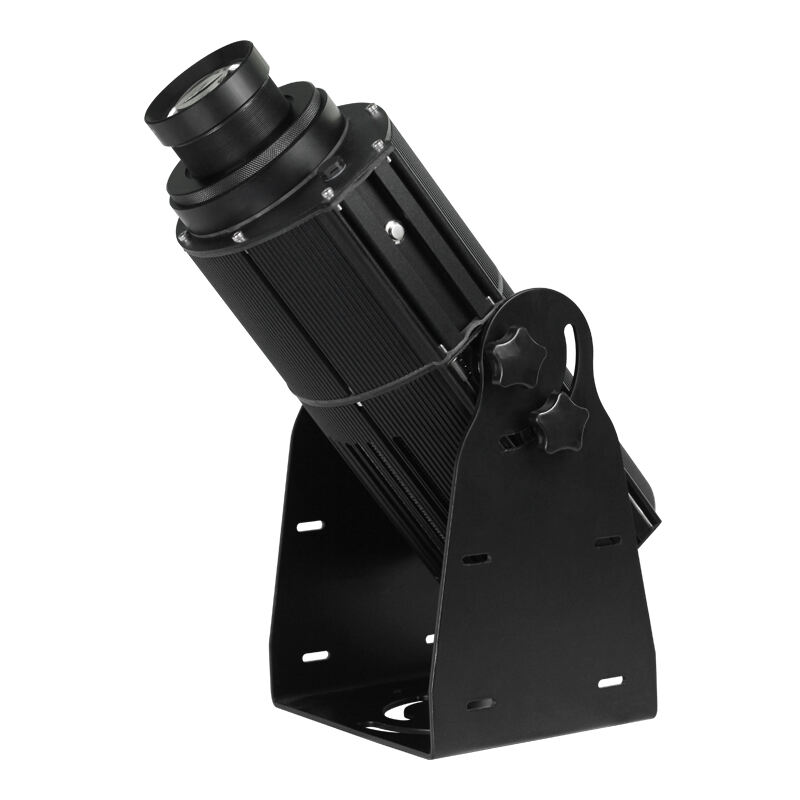
Advanced Road Light Image Technology - Smart Street Lighting with Integrated Surveillance Systems

All Categories

Get a Free Quote

Our representative will contact you soon.
Email
Name
Company Name
Message
0/1000

road light image

Road light image technology represents a revolutionary advancement in street lighting infrastructure that combines intelligent monitoring capabilities with efficient illumination systems. This sophisticated technology integrates high-resolution cameras and sensors directly into street lighting fixtures, creating a comprehensive visual surveillance network that enhances urban safety and management. The road light image system captures real-time footage of roadways, intersections, and pedestrian areas while maintaining optimal lighting conditions throughout various weather conditions and time periods. Modern road light image installations utilize LED lighting arrays paired with advanced digital imaging sensors that can operate effectively in both daylight and nighttime environments. These systems feature adaptive brightness controls that automatically adjust illumination levels based on ambient conditions, traffic density, and specific safety requirements. The technological framework incorporates motion detection algorithms, facial recognition capabilities, and license plate reading functions that provide valuable data for traffic management and security purposes. Road light image networks connect through wireless communication protocols, enabling centralized monitoring and control from municipal operations centers. The applications for road light image technology extend beyond basic street lighting to include traffic flow optimization, accident prevention, crime deterrence, and emergency response coordination. Urban planners utilize road light image data to analyze pedestrian patterns, vehicle movements, and infrastructure usage, leading to more informed decisions about city development and resource allocation. Emergency services benefit from real-time visual access to incident locations, allowing faster response times and better situational awareness. The integration of artificial intelligence and machine learning algorithms enables road light image systems to identify unusual activities, detect potential hazards, and automatically alert relevant authorities when intervention may be required.

Popular Products

Road light image systems deliver substantial cost savings for municipalities by combining multiple infrastructure functions into single installations, eliminating the need for separate lighting and surveillance equipment. Property owners and city administrators benefit from reduced installation costs, simplified maintenance schedules, and lower energy consumption through efficient LED technology integrated within road light image fixtures. The dual-purpose nature of these systems maximizes return on investment while minimizing visual clutter and infrastructure footprint in urban environments. Enhanced security represents a primary advantage of road light image technology, as continuous monitoring capabilities deter criminal activities and provide valuable evidence for law enforcement investigations. Citizens experience increased safety when walking or driving in areas equipped with road light image systems, knowing that potential incidents will be quickly detected and addressed by appropriate authorities. The visible presence of road light image installations creates a psychological deterrent effect that reduces crime rates in monitored areas, contributing to overall community well-being and property values. Traffic management becomes significantly more effective with road light image systems providing real-time data about congestion patterns, accident locations, and road conditions. Transportation departments can optimize traffic signal timing, implement dynamic routing suggestions, and respond rapidly to incidents that affect traffic flow. The continuous monitoring capabilities of road light image networks enable proactive maintenance scheduling for roadways and surrounding infrastructure before minor issues develop into costly repairs. Emergency response coordination improves dramatically when first responders have immediate visual access to incident scenes through road light image feeds, allowing them to assess situations and deploy appropriate resources before arrival. The data collected by road light image systems supports evidence-based decision making for urban planning initiatives, helping city officials understand usage patterns and infrastructure needs based on actual observed behaviors rather than theoretical models. Environmental benefits emerge from the energy-efficient LED lighting components in road light image systems, which consume significantly less electricity than traditional street lighting while providing superior illumination quality. The smart controls integrated into road light image installations can dim lights during low-traffic periods, further reducing energy consumption and extending equipment lifespan. Remote monitoring capabilities eliminate the need for frequent physical inspections, reducing vehicle emissions associated with maintenance activities while ensuring optimal system performance through automated diagnostics and reporting features.

Latest News

TNT's New 2 Automation Lines: Capacity Boost for 2025 Global Peak

29

Sep

TNT's New 2 Automation Lines: Capacity Boost for 2025 Global Peak

View More
US-China Trade War: 90-Day Truce Sparks Order Surge, Logo Projector Top Industry Charts

29

Sep

US-China Trade War: 90-Day Truce Sparks Order Surge, Logo Projector Top Industry Charts

View More
A Safety Line That Breaks Your Perception: TNT's World First Dual-Color Switching Line Warning Light

29

Sep

A Safety Line That Breaks Your Perception: TNT's World First Dual-Color Switching Line Warning Light

View More
Good News! TNT Upgrades Its Quality Management System with ISO9001 Certification to Start a New Era of Quality

29

Sep

Good News! TNT Upgrades Its Quality Management System with ISO9001 Certification to Start a New Era of Quality

View More

Get a Free Quote

Our representative will contact you soon.
Email
Name
Company Name
Message
0/1000

road light image

Advanced Integration Technology

Advanced Integration Technology

The sophisticated integration technology within road light image systems represents a breakthrough in urban infrastructure design, combining multiple essential functions into streamlined installations that maximize efficiency while minimizing costs. Each road light image unit incorporates high-definition cameras, motion sensors, environmental monitoring equipment, and intelligent LED lighting arrays that work together seamlessly to provide comprehensive area coverage. The integration process utilizes cutting-edge communication protocols that enable road light image systems to share data instantly across networks, creating interconnected monitoring grids that provide complete situational awareness for city operators. Advanced processors within each road light image installation analyze incoming data in real-time, applying machine learning algorithms to identify patterns, detect anomalies, and trigger appropriate responses without requiring constant human oversight. The modular design of road light image technology allows for customized configurations that meet specific neighborhood requirements, whether focusing on traffic monitoring, pedestrian safety, or general security applications. Installation teams can easily upgrade existing street lighting infrastructure to incorporate road light image capabilities, reducing deployment time and minimizing disruption to daily operations. The weatherproof housing protects sensitive electronic components while maintaining optimal performance in harsh environmental conditions, ensuring reliable operation regardless of temperature extremes, precipitation, or wind exposure. Power management systems within road light image installations optimize energy distribution between lighting and monitoring functions, maintaining full operational capacity while minimizing electrical consumption through intelligent load balancing. The standardized mounting systems for road light image units accommodate various pole configurations and heights, providing flexibility for deployment in diverse urban environments ranging from residential neighborhoods to busy commercial districts. Remote configuration capabilities allow technicians to adjust road light image settings, update software, and modify operational parameters without physical access to individual units, reducing maintenance costs and enabling rapid system-wide updates when needed.
Enhanced Safety and Security Features

Enhanced Safety and Security Features

Road light image systems deliver unparalleled safety and security benefits through continuous monitoring capabilities that create protective environments for pedestrians, drivers, and property owners throughout urban areas. The high-resolution imaging technology captures detailed footage that serves as both a deterrent to criminal activities and valuable evidence for law enforcement investigations when incidents occur. Each road light image installation provides overlapping coverage zones that eliminate blind spots and ensure comprehensive visual monitoring of streets, sidewalks, parking areas, and building entrances within the surveillance network. Motion detection algorithms within road light image systems can distinguish between normal activities and potentially threatening behaviors, automatically alerting security personnel when unusual patterns are detected. The night vision capabilities of road light image technology maintain clear image quality during darkness, fog, or other low-visibility conditions, ensuring consistent security coverage regardless of environmental factors. Facial recognition features enable road light image systems to identify known individuals of interest, supporting law enforcement efforts to locate suspects or missing persons while maintaining privacy protections for general public use. License plate recognition capabilities allow road light image networks to track vehicle movements, identify stolen cars, and support traffic enforcement initiatives through automated monitoring of speed limits and traffic violations. Emergency alert systems integrated into road light image installations can broadcast warnings, evacuation instructions, or other critical information through built-in speakers when public safety situations arise. The real-time communication features enable road light image systems to coordinate with emergency response teams, providing live video feeds that help first responders assess situations and plan appropriate interventions before arriving at incident locations. Data encryption and secure transmission protocols protect the sensitive information collected by road light image systems, ensuring that privacy rights are maintained while enabling authorized personnel to access necessary footage for legitimate purposes. The psychological impact of visible road light image installations creates a sense of security among community members, encouraging increased foot traffic and economic activity in monitored areas while discouraging criminal elements from targeting protected locations.
Smart City Integration and Data Analytics

Smart City Integration and Data Analytics

Road light image technology serves as a cornerstone for smart city development, providing the data collection and analysis capabilities necessary for evidence-based urban planning and resource optimization initiatives. The comprehensive dataset generated by road light image networks includes traffic patterns, pedestrian behaviors, environmental conditions, and infrastructure usage statistics that inform decision-making processes across multiple municipal departments. Advanced analytics platforms process information from road light image systems to identify trends, predict future needs, and recommend improvements for transportation networks, public safety protocols, and community services. The integration capabilities of road light image technology enable seamless connectivity with existing city management systems, including traffic control centers, emergency dispatch operations, and municipal maintenance departments. Machine learning algorithms analyze historical data from road light image networks to develop predictive models that anticipate traffic congestion, identify accident-prone locations, and optimize resource allocation for maximum public benefit. Environmental monitoring sensors within road light image installations track air quality, noise levels, and weather conditions, providing valuable data for sustainability initiatives and public health programs. The scalable architecture of road light image systems allows cities to expand monitoring coverage gradually, adding new installations as budgets permit while maintaining full integration with existing infrastructure networks. Real-time data visualization dashboards enable city officials to monitor road light image networks continuously, identifying issues quickly and coordinating responses across multiple departments when necessary. The open architecture standards used in road light image technology facilitate integration with third-party applications and services, enabling cities to leverage additional functionality from specialized vendors while maintaining core system compatibility. Long-term data storage capabilities preserve historical information from road light image networks, creating valuable archives that support research initiatives, insurance investigations, and legal proceedings when necessary. The automated reporting features generate regular summaries of road light image data, helping administrators track performance metrics, identify improvement opportunities, and justify budget allocations for continued system expansion and enhancement.

Get a Free Quote

Our representative will contact you soon.
Email
Name
Company Name
Message
0/1000