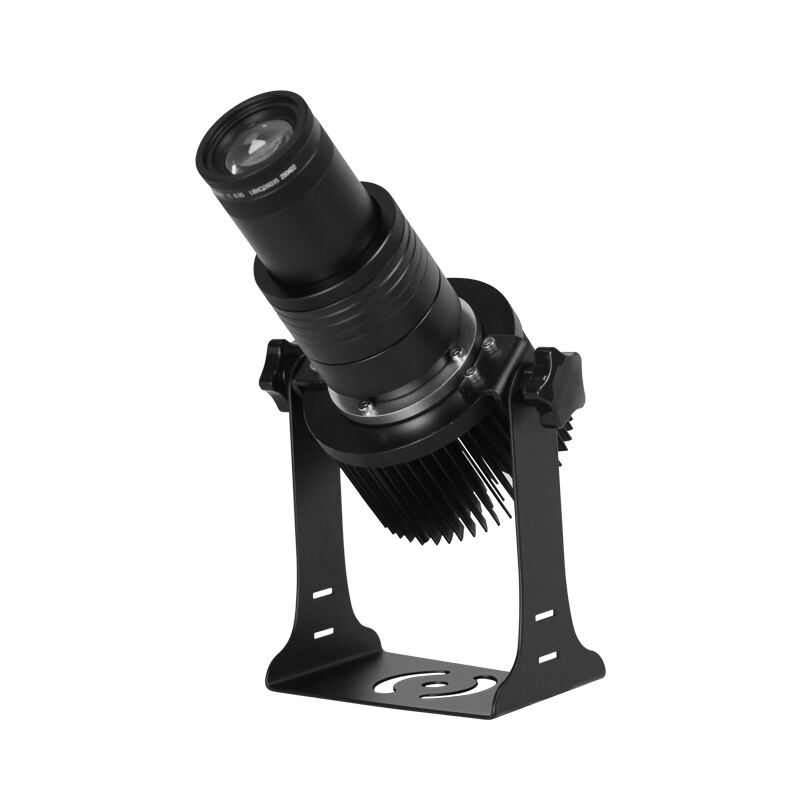
Professional Signal Light Image Solutions - Advanced LED Technology for Superior Visibility and Safety

All Categories

Get a Free Quote

Our representative will contact you soon.
Email
Name
Company Name
Message
0/1000

signal light image

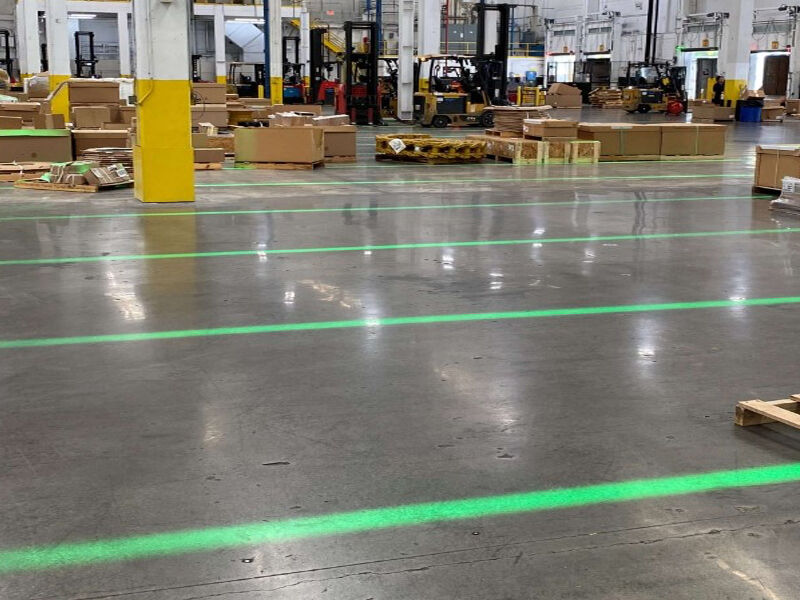
Signal light image technology represents a revolutionary advancement in visual communication systems, serving as a cornerstone for modern traffic management and industrial safety applications. This sophisticated technology transforms traditional lighting mechanisms into intelligent visual communication tools that provide clear, instantaneous information transfer across various environments. Signal light image systems combine high-intensity LED arrays with advanced optical engineering to create vibrant, easily recognizable visual patterns that can be interpreted quickly and accurately by both human operators and automated systems. The core functionality of signal light image technology encompasses multiple operational modes, including steady illumination, sequential flashing patterns, and programmable color transitions that adapt to specific situational requirements. These systems utilize cutting-edge microprocessor controls that enable precise timing mechanisms, ensuring consistent performance under varying environmental conditions. The technological framework incorporates weather-resistant housing materials, advanced heat dissipation systems, and energy-efficient power management circuits that maximize operational lifespan while minimizing maintenance requirements. Signal light image applications extend across numerous sectors, from transportation infrastructure and construction sites to manufacturing facilities and emergency response operations. In traffic management scenarios, these systems provide critical guidance for vehicle navigation, pedestrian safety, and traffic flow optimization. Industrial applications leverage signal light image technology for equipment status monitoring, safety zone demarcation, and operational workflow coordination. The versatility of signal light image systems allows for customizable configurations that accommodate specific installation requirements, environmental challenges, and regulatory compliance standards. Modern signal light image technology incorporates smart connectivity features, enabling remote monitoring, automated diagnostics, and real-time performance analytics that enhance system reliability and operational efficiency.

New Products

The primary advantage of signal light image technology lies in its exceptional visibility characteristics, which ensure clear communication even under challenging environmental conditions such as fog, rain, or bright sunlight. Unlike traditional signaling methods, signal light image systems provide superior luminous intensity that penetrates atmospheric interference, maintaining consistent visibility at extended distances. This enhanced visibility translates directly into improved safety outcomes for both pedestrians and vehicle operators, reducing accident rates and enhancing overall traffic flow efficiency. Energy efficiency represents another significant advantage of modern signal light image systems, as LED-based configurations consume substantially less power compared to conventional incandescent or halogen alternatives. This reduced energy consumption results in lower operational costs for municipalities and organizations, while simultaneously supporting environmental sustainability initiatives through decreased carbon footprint. The extended operational lifespan of signal light image components further amplifies cost savings, as these systems typically operate for tens of thousands of hours without requiring replacement, dramatically reducing maintenance expenses and service interruptions. Signal light image technology offers remarkable flexibility in deployment configurations, allowing for rapid installation and easy modification to accommodate changing traffic patterns or operational requirements. This adaptability proves invaluable for temporary construction zones, special events, or emergency situations where quick deployment of effective signaling becomes critical. The programmable nature of signal light image systems enables customization of flash patterns, color sequences, and timing intervals to meet specific regulatory requirements or operational protocols. Reliability forms a cornerstone advantage of signal light image technology, as these systems incorporate robust electronic components designed to withstand extreme weather conditions, temperature fluctuations, and mechanical vibrations. This durability ensures consistent performance across diverse geographic locations and climate conditions, providing dependable service that organizations can trust for critical safety applications. The intelligent monitoring capabilities built into modern signal light image systems provide real-time status updates and predictive maintenance alerts, enabling proactive service scheduling that prevents unexpected failures and maintains optimal system performance. Cost-effectiveness emerges as a compelling advantage when considering the total ownership experience of signal light image technology, encompassing initial investment, operational expenses, maintenance costs, and replacement cycles. Organizations implementing signal light image solutions typically experience rapid return on investment through reduced energy bills, lower maintenance requirements, and improved operational efficiency that translates into tangible financial benefits over the system lifecycle.

Latest News

TNT's New 2 Automation Lines: Capacity Boost for 2025 Global Peak

29

Sep

TNT's New 2 Automation Lines: Capacity Boost for 2025 Global Peak

View More
US-China Trade War: 90-Day Truce Sparks Order Surge, Logo Projector Top Industry Charts

29

Sep

US-China Trade War: 90-Day Truce Sparks Order Surge, Logo Projector Top Industry Charts

View More
A Safety Line That Breaks Your Perception: TNT's World First Dual-Color Switching Line Warning Light

29

Sep

A Safety Line That Breaks Your Perception: TNT's World First Dual-Color Switching Line Warning Light

View More
Good News! TNT Upgrades Its Quality Management System with ISO9001 Certification to Start a New Era of Quality

29

Sep

Good News! TNT Upgrades Its Quality Management System with ISO9001 Certification to Start a New Era of Quality

View More

Get a Free Quote

Our representative will contact you soon.
Email
Name
Company Name
Message
0/1000

signal light image

Advanced LED Technology and Superior Visibility Performance

Advanced LED Technology and Superior Visibility Performance

The signal light image system incorporates state-of-the-art LED technology that delivers unparalleled visibility performance across all environmental conditions, establishing new standards for visual communication effectiveness. This advanced LED configuration utilizes high-intensity diodes arranged in precision-engineered arrays that maximize light output while maintaining uniform distribution patterns. The sophisticated optical design ensures that signal light image displays remain clearly visible from multiple viewing angles, providing consistent information delivery regardless of observer position or atmospheric conditions. Unlike traditional lighting technologies that suffer from reduced visibility during adverse weather, the signal light image LED arrays maintain their luminous intensity even when subjected to fog, rain, snow, or bright ambient lighting conditions. The superior performance stems from carefully calibrated wavelength selection that optimizes human eye sensitivity while ensuring compatibility with automated detection systems used in modern traffic management infrastructure. Each signal light image unit incorporates multiple LED clusters that can be independently controlled, enabling complex visual patterns and color combinations that convey detailed information with remarkable clarity. The LED technology employed in signal light image systems operates at significantly lower temperatures compared to conventional bulbs, eliminating the thermal stress that typically leads to premature failure in harsh environmental conditions. This thermal efficiency contributes to extended operational lifespans that often exceed fifty thousand hours of continuous operation, providing exceptional value for organizations seeking reliable long-term signaling solutions. The precision manufacturing processes used in signal light image LED production ensure consistent color temperature and luminous output across all units, maintaining visual uniformity in multi-device installations. Advanced driver circuits integrated within each signal light image system provide stable power delivery that eliminates flicker and maintains consistent brightness levels throughout the operational voltage range. The intelligent power management features automatically adjust LED intensity based on ambient light conditions, optimizing visibility while conserving energy during periods of reduced environmental lighting. This adaptive brightness control ensures that signal light image displays remain appropriately visible without creating excessive glare that could compromise safety or comfort for nearby observers.
Intelligent Control Systems and Programmable Functionality

Intelligent Control Systems and Programmable Functionality

Modern signal light image technology incorporates sophisticated microprocessor-based control systems that enable unprecedented levels of programmable functionality and operational flexibility. These intelligent control platforms allow users to customize every aspect of signal light image behavior, from basic on-off cycles to complex multi-phase sequences that can adapt to changing operational requirements in real-time. The programmable nature of signal light image systems eliminates the need for mechanical switching devices or hardwired timing circuits, providing a level of operational precision and reliability that was previously unattainable with conventional signaling equipment. Advanced signal light image controllers feature intuitive programming interfaces that allow operators to create custom flash patterns, adjust timing intervals, and configure color sequences without requiring specialized technical expertise or extensive training programs. The memory capacity of modern signal light image control systems can store multiple operational profiles, enabling quick transitions between different signaling modes based on time of day, traffic conditions, or specific operational protocols. Remote programming capabilities built into signal light image systems allow for wireless configuration updates and real-time adjustments from centralized control centers, eliminating the need for on-site service visits for routine operational modifications. The diagnostic capabilities integrated within signal light image control systems provide comprehensive monitoring of all system components, including LED status, power consumption, temperature levels, and communication link integrity. These diagnostic features enable predictive maintenance scheduling that prevents unexpected failures while optimizing service intervals to minimize operational disruptions. Signal light image systems can interface with existing traffic management infrastructure through standard communication protocols, enabling seamless integration with traffic control systems, emergency response networks, and automated monitoring platforms. The scalability of signal light image control architecture allows for easy expansion of existing installations, accommodating growing operational requirements without requiring complete system replacement. Advanced scheduling functions within signal light image controllers enable automatic mode changes based on predetermined time schedules, traffic volume patterns, or external sensor inputs, optimizing system performance without manual intervention. The robust communication capabilities of signal light image systems support both wired and wireless connectivity options, providing flexible deployment solutions that can adapt to various infrastructure constraints and operational requirements.
Durability and Environmental Resistance for Long-Term Reliability

Durability and Environmental Resistance for Long-Term Reliability

Signal light image systems are engineered with exceptional durability and environmental resistance characteristics that ensure reliable performance across diverse climate conditions and challenging operational environments. The rugged construction of signal light image housings incorporates high-grade materials specifically selected for their ability to withstand prolonged exposure to ultraviolet radiation, temperature extremes, moisture infiltration, and mechanical stress without compromising operational integrity. Advanced sealing technologies employed in signal light image manufacturing create weatherproof barriers that prevent water ingress while maintaining proper ventilation for internal component cooling, ensuring optimal performance in both humid tropical climates and arid desert environments. The corrosion-resistant properties of signal light image exterior components eliminate the degradation typically associated with salt air exposure in coastal installations or chemical contamination in industrial environments. Vibration resistance built into signal light image designs enables reliable operation in high-traffic areas where mechanical stress from passing vehicles or construction activities could affect less robust signaling equipment. The thermal management systems integrated within signal light image units effectively dissipate heat generated by LED arrays and control electronics, preventing thermal cycling damage that can reduce component lifespan in conventional lighting systems. Impact resistance testing conducted during signal light image development ensures that these systems can withstand accidental contact or deliberate tampering without suffering operational damage or safety compromises. The electrical systems within signal light image units incorporate surge protection circuits that guard against voltage spikes caused by lightning strikes or power grid fluctuations, maintaining operational continuity even during severe weather events. Quality assurance protocols implemented during signal light image manufacturing include extensive environmental testing that simulates years of operational exposure in accelerated timeframes, validating long-term reliability before products reach market deployment. The modular design philosophy employed in signal light image construction enables selective component replacement without requiring complete unit replacement, reducing maintenance costs while minimizing service downtime. Field-proven reliability statistics demonstrate that properly installed signal light image systems consistently achieve operational lifespans exceeding industry standards while maintaining peak performance characteristics throughout their service life. The comprehensive warranty coverage provided with signal light image systems reflects manufacturer confidence in product durability and provides customers with additional assurance of long-term value and performance reliability.

Get a Free Quote

Our representative will contact you soon.
Email
Name
Company Name
Message
0/1000