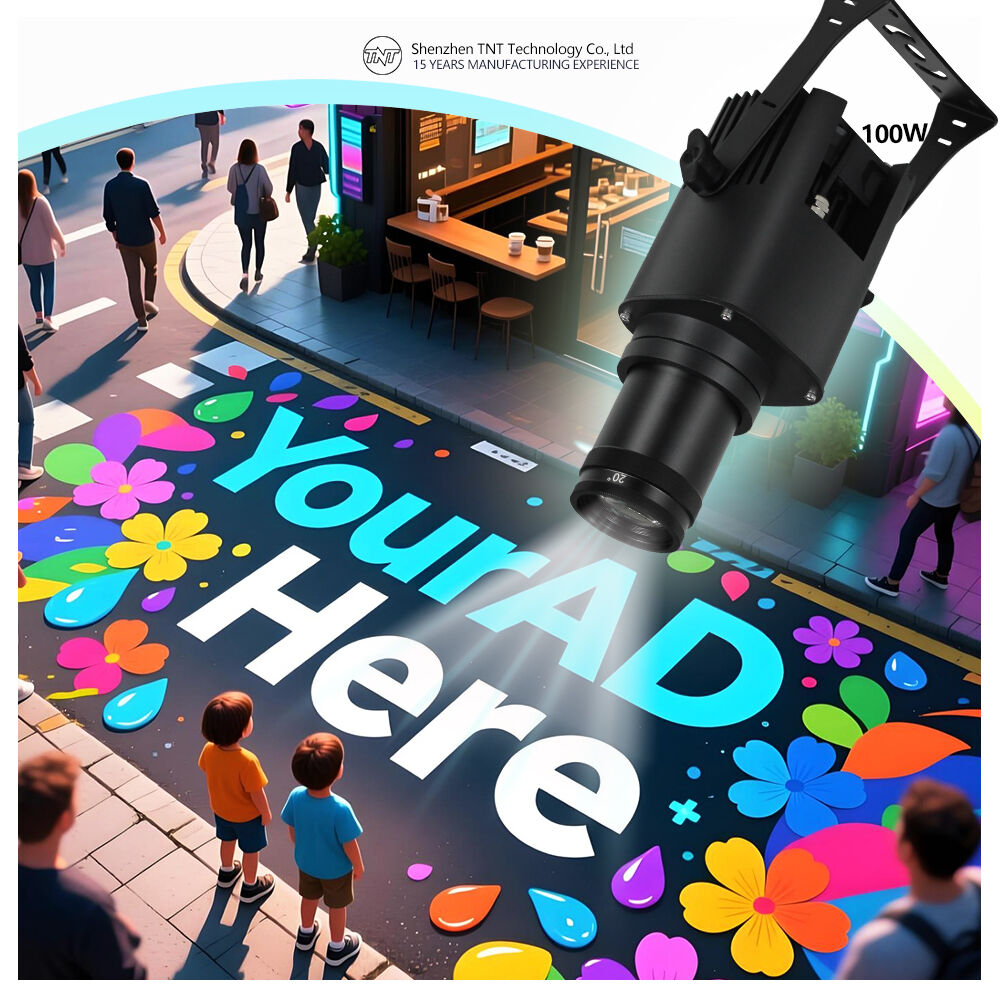
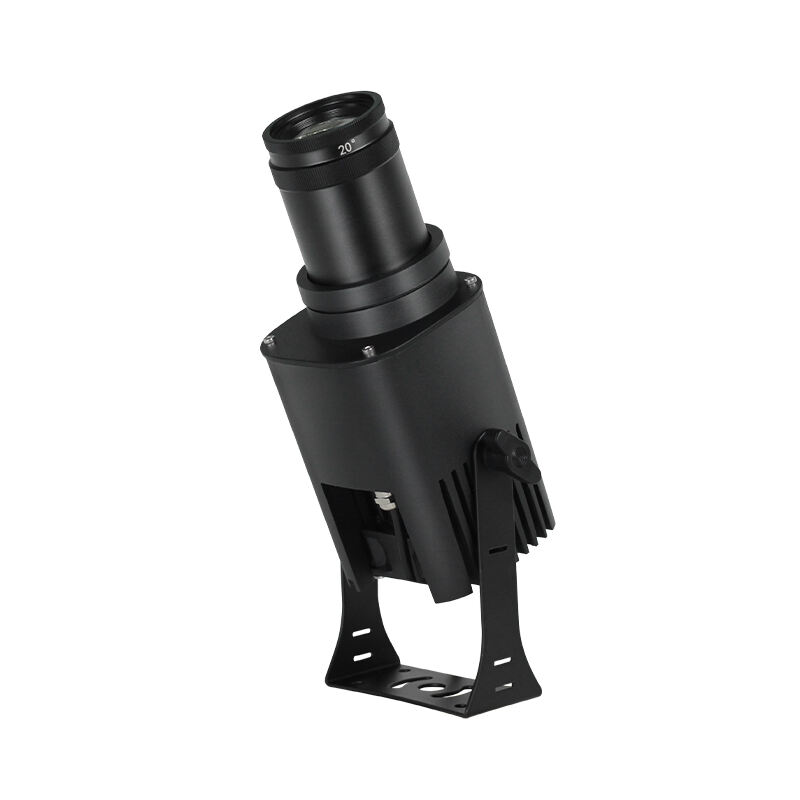
Revolutionary 3D Light Image Technology - Holographic Displays & Visual Solutions

All Categories

Get a Free Quote

Our representative will contact you soon.
Email
Name
Company Name
Message
0/1000

3d light image

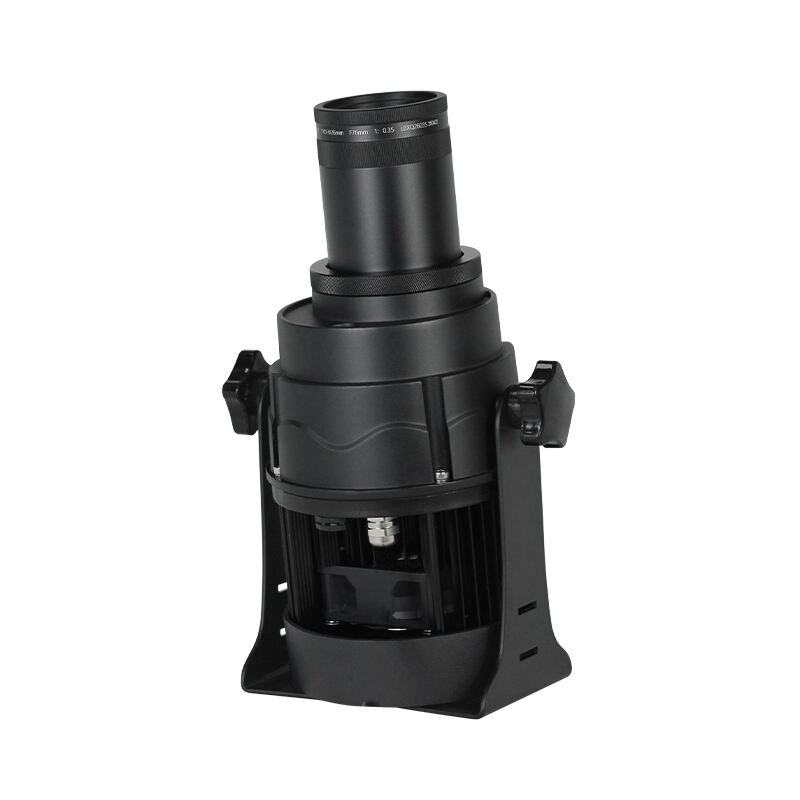
A 3d light image represents a revolutionary advancement in visual display technology that creates stunning three-dimensional visual experiences through sophisticated light manipulation and projection techniques. This cutting-edge technology combines advanced optical engineering with digital processing to produce immersive visual displays that appear to float in mid-air, creating captivating holographic-like effects without requiring special viewing equipment or glasses. The 3d light image system utilizes multiple light sources, precision optics, and intelligent software algorithms to generate depth perception and realistic three-dimensional imagery that can be viewed from various angles. The main functions of 3d light image technology encompass interactive display capabilities, real-time content generation, and multi-perspective viewing experiences. These systems can project complex geometric shapes, detailed product models, architectural visualizations, and dynamic animations that respond to user input or environmental changes. The technology supports both static and animated content, allowing creators to develop engaging presentations that capture audience attention and deliver memorable experiences. Key technological features include high-resolution projection systems, advanced light field processing, real-time rendering capabilities, and sophisticated tracking mechanisms that monitor viewer positions to adjust the display accordingly. The 3d light image technology incorporates laser-based projection systems, LED arrays, and specialized optical components that work together to create precise light patterns and maintain image clarity across different viewing distances. Modern implementations feature wireless connectivity, cloud-based content management, and integration capabilities with existing digital signage networks. Applications for 3d light image technology span numerous industries including retail merchandising, museum exhibitions, trade show displays, architectural presentations, medical visualization, entertainment venues, and educational institutions. Retailers use this technology to showcase products in eye-catching displays that draw customers and increase sales conversion rates. Museums and galleries implement 3d light image systems to create interactive exhibits that educate visitors while providing entertaining experiences. The technology proves particularly valuable in situations where traditional flat displays fail to convey depth, scale, or spatial relationships effectively.

New Product Recommendations

The 3d light image technology delivers numerous compelling advantages that transform how businesses communicate with their audiences and create memorable visual experiences. This innovative display solution eliminates the need for bulky physical props or expensive traditional holographic equipment, making three-dimensional presentations accessible to organizations of all sizes. Users can create stunning visual displays without requiring viewers to wear special glasses or headsets, ensuring universal accessibility and eliminating barriers that might prevent audience engagement. The technology offers exceptional flexibility in content creation and modification, allowing users to update displays instantly through digital interfaces rather than manufacturing new physical materials. This capability significantly reduces costs associated with marketing campaigns, product launches, and seasonal promotions while enabling rapid response to market changes and customer preferences. The 3d light image system provides superior visual impact compared to conventional flat screens, creating memorable experiences that increase brand recognition and customer engagement rates. Studies demonstrate that three-dimensional displays capture attention more effectively than traditional signage, leading to higher conversion rates and improved return on investment for marketing initiatives. The technology supports real-time interactivity, enabling viewers to manipulate displayed objects through gesture control, touch interfaces, or mobile device integration. This interactive capability transforms passive viewing experiences into engaging encounters that encourage longer dwell times and deeper emotional connections with presented content. Installation and maintenance requirements remain minimal compared to complex holographic systems, with most 3d light image solutions requiring only standard electrical connections and network access. The compact design allows deployment in spaces where traditional projection systems would be impractical, including small retail environments, confined exhibition areas, and mobile presentation setups. Energy efficiency represents another significant advantage, as modern 3d light image systems consume substantially less power than equivalent large-format displays while delivering superior visual impact. The technology scales efficiently from small desktop units suitable for personal presentations to large installations capable of entertaining hundreds of simultaneous viewers. Content creation tools have evolved to support non-technical users, enabling marketing teams and educators to develop compelling 3d light image presentations without specialized training or expensive software licenses. Remote management capabilities allow centralized control of multiple installations, reducing operational costs and ensuring consistent messaging across different locations. The durability and reliability of 3d light image systems exceed traditional projection equipment, with solid-state components providing years of maintenance-free operation in demanding commercial environments.

Latest News

TNT's New 2 Automation Lines: Capacity Boost for 2025 Global Peak

29

Sep

TNT's New 2 Automation Lines: Capacity Boost for 2025 Global Peak

View More
US-China Trade War: 90-Day Truce Sparks Order Surge, Logo Projector Top Industry Charts

29

Sep

US-China Trade War: 90-Day Truce Sparks Order Surge, Logo Projector Top Industry Charts

View More
A Safety Line That Breaks Your Perception: TNT's World First Dual-Color Switching Line Warning Light

29

Sep

A Safety Line That Breaks Your Perception: TNT's World First Dual-Color Switching Line Warning Light

View More
Good News! TNT Upgrades Its Quality Management System with ISO9001 Certification to Start a New Era of Quality

29

Sep

Good News! TNT Upgrades Its Quality Management System with ISO9001 Certification to Start a New Era of Quality

View More

Get a Free Quote

Our representative will contact you soon.
Email
Name
Company Name
Message
0/1000

3d light image

Revolutionary Holographic Display Technology

Revolutionary Holographic Display Technology

The 3d light image system represents a groundbreaking advancement in holographic display technology that creates truly three-dimensional visual experiences without requiring specialized viewing equipment. This revolutionary approach utilizes sophisticated light field manipulation techniques to project images that appear to float in space, providing viewers with natural depth perception and realistic spatial relationships. Unlike traditional holographic systems that require expensive photographic plates or complex laser setups, the 3d light image technology employs digital processing and advanced optical components to generate real-time three-dimensional displays that can be updated instantly. The system creates convincing depth illusions through precise control of light direction, intensity, and color, resulting in images that viewers can observe from multiple angles with consistent three-dimensional appearance. This technology breakthrough eliminates the need for special glasses, headsets, or viewing devices that typically limit audience accessibility and create barriers to widespread adoption. The revolutionary nature of this 3d light image approach lies in its ability to combine the visual impact of expensive holographic installations with the convenience and flexibility of digital display systems. Users can create stunning product demonstrations, architectural visualizations, and interactive presentations that capture audience attention and deliver memorable experiences. The technology supports both pre-rendered content and real-time generation, enabling dynamic presentations that respond to viewer interaction or environmental changes. Advanced algorithms optimize light distribution and color accuracy to maintain image quality across different ambient lighting conditions and viewing distances. The revolutionary aspect extends to content creation capabilities, where users can develop three-dimensional presentations using familiar software tools rather than specialized holographic recording equipment. This accessibility democratizes advanced display technology, making sophisticated visual presentations available to organizations that previously could not afford complex holographic systems. The 3d light image technology represents a paradigm shift in how we conceptualize and implement three-dimensional displays, offering unprecedented combination of visual impact, operational simplicity, and cost-effectiveness that opens new possibilities for communication, education, and entertainment applications.
Unmatched Versatility and Flexibility

Unmatched Versatility and Flexibility

The 3d light image technology offers unmatched versatility and flexibility that adapts to diverse application requirements across multiple industries and use cases. This remarkable adaptability stems from the system's modular design and comprehensive software platform that supports various content types, display configurations, and integration scenarios. Organizations can deploy 3d light image systems in configurations ranging from compact desktop units for personal presentations to large-scale installations that serve hundreds of simultaneous viewers in public spaces. The flexibility extends to content creation, where users can develop presentations using standard three-dimensional modeling software, import existing digital assets, or capture real-world objects through photogrammetry techniques. This versatility eliminates the constraints typically associated with specialized display technologies that require proprietary content creation tools or expensive custom development services. The 3d light image system seamlessly integrates with existing digital infrastructure, supporting standard network protocols, content management systems, and remote control interfaces that simplify deployment and operation. Users can schedule content playback, monitor system performance, and update presentations remotely through web-based interfaces that require no specialized training or technical expertise. The flexibility encompasses various installation methods, including ceiling-mounted configurations, floor-standing displays, and wall-integrated systems that accommodate different spatial constraints and aesthetic requirements. Environmental adaptability represents another dimension of versatility, with 3d light image systems operating effectively in diverse lighting conditions, temperature ranges, and humidity levels that would challenge traditional projection equipment. The technology supports multiple input sources simultaneously, enabling real-time switching between different content streams or combining various media types within single presentations. This capability proves invaluable for trade shows, conferences, and retail environments where presentation requirements change frequently throughout the day. The modular architecture allows users to expand system capabilities by adding components such as motion sensors, audio systems, or interactive controls without replacing existing infrastructure. Customization options extend to user interfaces, where organizations can develop branded control applications that align with corporate identity guidelines while maintaining intuitive operation for non-technical users. The unmatched versatility of 3d light image technology ensures long-term value by adapting to evolving requirements and supporting new applications as organizations grow and market conditions change.
Superior Cost-Effectiveness and ROI

Superior Cost-Effectiveness and ROI

The 3d light image technology delivers superior cost-effectiveness and return on investment that transforms how organizations approach visual communication and marketing initiatives. This exceptional value proposition stems from the technology's ability to replace multiple traditional display solutions while providing enhanced visual impact and reduced operational costs. Organizations typically achieve significant savings by eliminating expenses associated with physical props, printed materials, and frequent display updates that characterize conventional marketing approaches. The 3d light image system reduces content production costs dramatically, as digital presentations can be modified instantly without manufacturing new materials or hiring specialized production services. This capability proves particularly valuable for retail environments where seasonal promotions, product launches, and pricing changes require frequent display updates. The technology's longevity contributes substantially to cost-effectiveness, with solid-state components providing years of reliable operation without the maintenance requirements and replacement costs associated with traditional projection systems. Energy efficiency represents another significant cost advantage, as 3d light image systems consume substantially less power than equivalent large-format displays while delivering superior visual impact and audience engagement. Installation costs remain minimal compared to complex holographic systems, with most deployments requiring only standard electrical connections and network access rather than specialized infrastructure or environmental controls. The superior return on investment becomes evident through measurable improvements in customer engagement, sales conversion rates, and brand recognition that result from memorable three-dimensional presentations. Studies consistently demonstrate that 3d light image displays capture attention more effectively than traditional signage, leading to longer dwell times and increased purchase intentions among target audiences. The technology's scalability ensures cost-effective expansion, allowing organizations to start with small installations and add capacity as requirements grow without replacing existing infrastructure. Operational efficiency gains result from centralized content management capabilities that reduce staffing requirements for multi-location deployments while ensuring consistent messaging and presentation quality. The cost-effectiveness extends to training and support requirements, as intuitive interfaces enable existing staff to create and manage presentations without specialized technical training or external consulting services. Long-term value increases through software updates and feature enhancements that extend system capabilities without hardware replacement, protecting initial investments while providing access to evolving functionality. The superior cost-effectiveness of 3d light image technology makes advanced visual communication accessible to organizations of all sizes, delivering enterprise-grade presentation capabilities at prices that justify implementation across diverse applications and industries.

Get a Free Quote

Our representative will contact you soon.
Email
Name
Company Name
Message
0/1000